


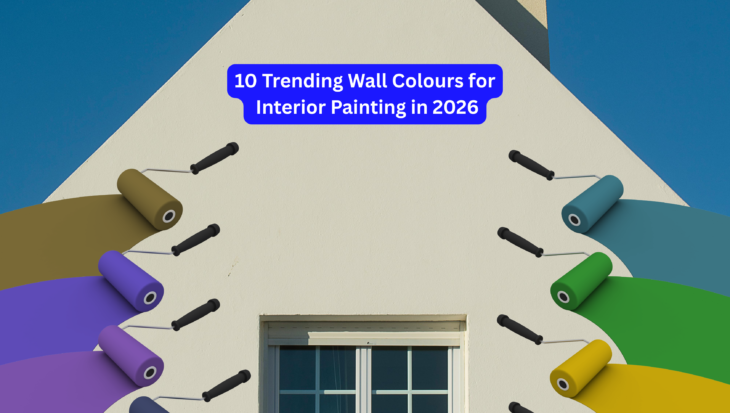
Choosing the right wall colours for interior painting is one of the most essential decisions in interior design, as it can completely transform the look and feel of your home or office. In 2026, homeowners and interior designers are increasingly focused on colours that reflect personality, modern aesthetics, and lifestyle. From calming neutrals to bold accent shades, the latest trends aim to balance style, comfort, and functionality. Many people search for terms such as “trending wall colours 2026” or “best interior paint colours” and also hire the best home improvement contractor to stay up to date with contemporary design trends. With the right palette, you can enhance the perception of room size, create the desired mood, and complement furniture, lighting, and décor.
According to the Global Paint & Coatings Market Report 2025, nearly 70% of homeowners plan interior painting projects within the year, and 42% say they update wall colours specifically to follow trends. Colour trends are no longer just about aesthetics; they influence energy, productivity, and emotional well-being in living and working spaces. Whether you’re refreshing a single room or redesigning your entire home, understanding the top trending wall colours of 2026 will help you make informed choices that are stylish, timeless, and tailored to your personal taste.
The Importance of Wall Colours for Interior Painting in 2026
Selecting the perfect wall colour is a key factor in interior design. In 2026, homeowners and designers alike are looking for colours that reflect personality, lifestyle, and modern trends. Choosing the right hue influences how a room is perceived, the mood, and even productivity. This is why searches like “trending wall colours 2026” and “best interior paint colours for 2026” are skyrocketing.
According to the Global Paint & Coatings Report 2025, over 70% of homeowners plan to undertake interior painting projects in the next year, with colour as the primary driver of their decisions. Experts emphasize that wall colour can make spaces feel larger, cozier, or more energetic, depending on the chosen shade and finish. A well-selected colour palette also increases home value and enhances aesthetic appeal.
1. Soft Beige: Timeless Neutral Elegance
Soft beige continues to dominate interior walls due to its versatility and ability to complement virtually any décor. Beige creates a warm, inviting atmosphere that works in living rooms, bedrooms, and kitchens. Pairing soft beige with wooden furniture, plants, or metallic accents creates a balanced, stylish look.
Surveys reveal that 35% of homeowners choose neutral tones, such as beige, for major interior projects. Beige’s popularity lies in its ability to harmonize with both contemporary and traditional interiors. Beyond aesthetics, beige enhances the reflection of natural light, making rooms appear larger and brighter, a crucial feature in smaller homes or apartments.
Design Tip: Use beige as a backdrop for colourful furniture or artwork, letting key décor elements shine. Accent walls in a slightly darker beige can also add depth without overpowering the room.
2. Warm Terracotta: Earthy & Cozy
Terracotta tones bring warmth and natural charm into homes. Its reddish-brown hue evokes an earthy vibe and pairs well with indoor plants, wooden accents, and neutral furnishings. Terracotta works well on feature walls, dining areas, and living rooms, creating a cozy, welcoming environment.
According to Paint & Decor Trends 2025, demand for earthy colours has risen by 27%, indicating a shift towards natural aesthetics. Terracotta also balances warm and cool tones, making it versatile for modern interiors. Its calming, grounded feel makes it ideal for spaces where people gather, dine, or relax.
Design Tip: Pair terracotta walls with beige or cream accents to avoid a dark, heavy feel. Consider textured finishes for added depth and a rustic touch.
3. Soft Sage Green: Calming & Refreshing
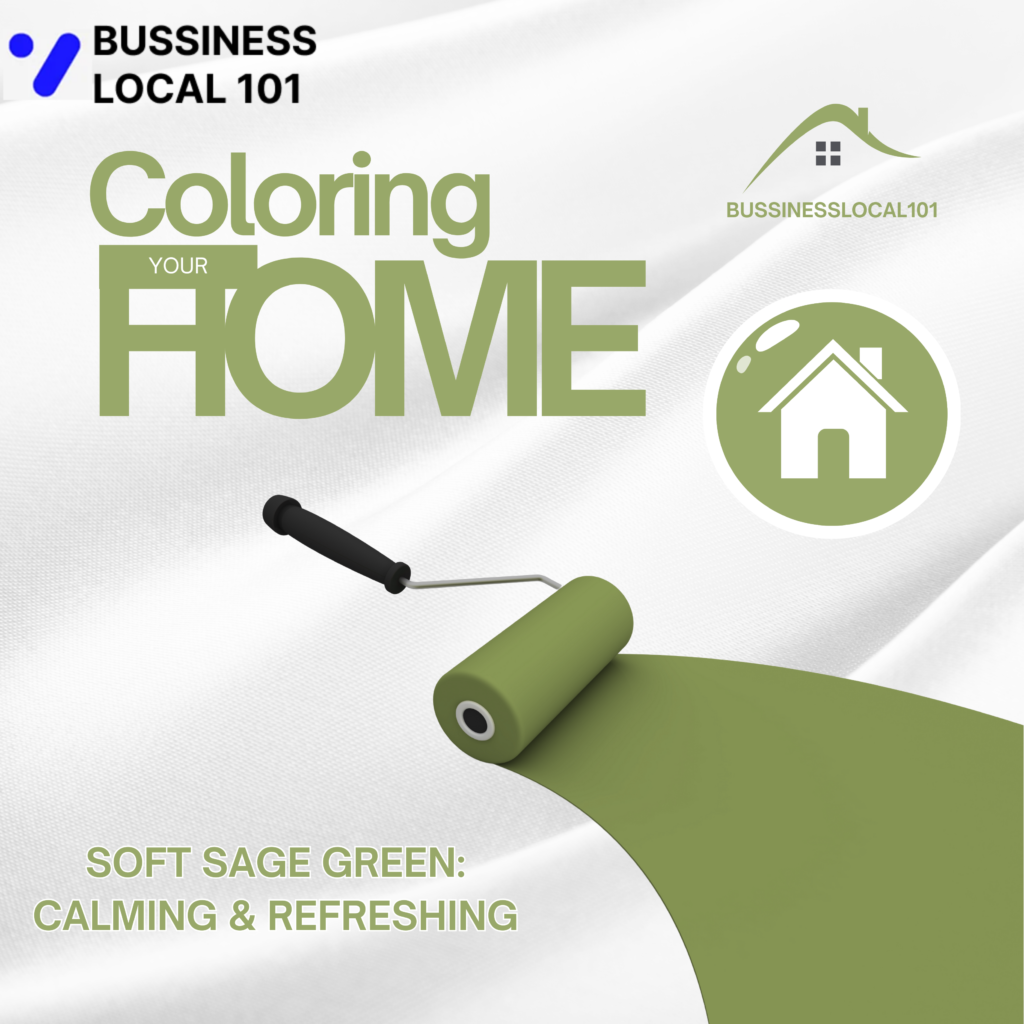
Sage green is one of the fastest-growing trends in 2026. Its muted, soothing hue works exceptionally well in bedrooms, kitchens, and living areas. The calming effect of sage green reduces stress and encourages relaxation, making it a popular choice for work-from-home spaces and meditation corners.
Studies show that green shades improve mental well-being, and 45% of homeowners choose green tones for their bedrooms. Sage pairs seamlessly with wood, white trim, and natural textiles, enhancing a sense of harmony. Its understated elegance complements both modern minimalism and traditional décor, offering long-term versatility.
Design Tip: Add gold or brass accents to sage green walls for a sophisticated, luxurious touch. Incorporating plants can also amplify the natural vibe.
4. Muted Blue: Elegant & Serene
Muted blue is a classic, calming colour that’s perfect for creating serene interiors. Ideal for bedrooms, bathrooms, and studies, muted blue adds depth without feeling overwhelming. It pairs beautifully with white, grey, or wooden furniture, enhancing a tranquil environment.
Data from the Interior Design Colour Survey 2025 shows that 22% of homes have adopted muted blue shades for walls, reflecting a strong trend toward calm, productivity-friendly interiors. Blue enhances focus and reduces stress, making it suitable for home offices or study rooms.
Design Tip: Use muted blue on a single feature wall to add character while keeping the rest of the room light and airy. Complement with natural wood tones for balance.
5. Dusty Pink: Soft & Modern
Dusty pink has gained popularity as a contemporary accent colour. Its muted tone provides warmth without overpowering, making it suitable for bedrooms, powder rooms, or cozy living spaces. Dusty pink pairs well with greys, whites, and natural wood accents, adding subtle sophistication.
Market trends indicate that pink-based neutrals have grown by 18% since 2024, showing increasing interest in soft, inviting palettes. Dusty pink evokes a sense of calm while maintaining a stylish, modern look, appealing to both millennials and Gen Z homeowners.
Design Tip: Pair dusty pink walls with plants and neutral furniture to avoid an overly feminine feel. Adding metallic accents enhances elegance.
6. Bold Charcoal Wall Colours For Interior Painting: Modern & Sophisticated
Charcoal grey is a striking colour that adds drama and modern sophistication. Perfect for feature walls, offices, or living rooms, it pairs well with vibrant décor, metallic accents, and lighter furnishings. Its neutral undertone allows versatility while creating depth and visual interest.
Recent studies show that 16% of accent walls now feature dark grey or charcoal shades, reflecting a trend toward bold contrasts. Charcoal works well in both contemporary and industrial designs, balancing light elements and grounding the room.
Design Tip: Use charcoal sparingly on one wall, or pair it with lighter shades, to avoid making the room feel smaller. Incorporate metallic décor or mirrors to enhance brightness.
7. Creamy White: Minimalist & Versatile
Creamy white remains a staple in home or kitchen interior design for its ability to brighten spaces and provide a clean canvas. This colour is ideal for minimalist designs, modern apartments, and small rooms, creating an open, airy feel. Creamy white pairs well with pastels, wood, and metals, offering unlimited décor flexibility.
According to Global Home Colour Trends 2025, 40% of new interiors use white-based tones, reflecting their enduring popularity. Creamy white enhances natural light and allows accent colours to shine, making it a reliable choice for any room.
Design Tip: Add texture using rugs, curtains, or wall décor to prevent white walls from appearing flat or sterile. Creamy white also works well with bold artwork.
8. Mustard Yellow: Vibrant & Inviting
Mustard yellow is trending as a warm, energetic accent colour. Ideal for kitchens, living rooms, and entryways, it adds vibrancy while maintaining a cozy atmosphere. Pairing mustard with greys, blues, or natural wood creates a balanced, stylish interior.
Experts report a 22% increase in the use of yellow accents in modern interior projects, especially in urban apartments. Mustard yellow can create cheerful spaces without overwhelming, making it perfect for accent walls, shelving backgrounds, or decorative niches.
Design Tip: Use mustard on smaller walls or as a focal point to energize a space. Combine with neutral furnishings for a balanced, sophisticated look.
9. Muted Lavender: Relaxing & Contemporary
Muted lavender is a subtle, modern hue for bedrooms, bathrooms, and creative spaces. Its calming properties make it ideal for areas where relaxation or creativity is desired. Lavender also pairs beautifully with greys, whites, and pastels for a soft, elegant look.
Design surveys show a 15% increase in the use of purple tones in interior painting projects, highlighting its growing appeal. Lavender enhances mood and creates a serene, inviting atmosphere in modern homes.
Design Tip: Accent lavender walls with white or metallic décor to highlight the colour’s sophistication. Ideal for both main and feature walls.
10. Deep Forest Green: Luxurious & Nature-Inspired
Deep forest green is a trending statement colour in 2026. Its rich, elegant tone works well in living rooms, offices, and dining areas, offering a luxurious yet natural aesthetic. Forest green pairs with brass, gold, and wooden accents to create high-end interior designs.
Colour psychology research shows that dark greens promote focus and reduce stress, making them suitable for home offices, reading areas, or meditation spaces. Forest green also harmonizes with neutral tones, creating balance in larger rooms.Design Tip: Use forest green for a bold feature wall while keeping the rest of the room lighter. Add plants and gold accents to enhance a natural, luxurious vibe.
Which wall colours are trending in 2026?
Soft beige, terracotta, sage green, muted blue, dusty pink, charcoal grey, creamy white, mustard yellow, muted lavender, and deep forest green.
What colours make a room feel bigger?
Light neutrals like creamy white, soft beige, or muted pastels.
Which colours are best for calm bedrooms?
Sage green, muted blue, dusty pink, or lavender.
Are bold colours, such as mustard yellow, suitable for walls?
Yes, when used as accent walls or paired with neutrals, bold colours create energy without overwhelming.
How do I choose the right colour for my home?
Consider room size, lighting, furniture, existing décor, and the desired mood and test swatches before painting for the best results.
Conclusion: Embrace 2026 Wall Colours for interior painting Trends
The 2026 interior design palette combines calming neutrals, earthy tones, and bold accents. From soft beige and sage green to deep forest green and mustard yellow, these trending colours allow homeowners to create personalized, stylish, and comfortable spaces.
Choosing the right shade enhances mood, perception of the room, and overall aesthetic appeal. Test colours in different lighting, consider your décor, and balance bold tones with neutrals. By staying up to date with trends, homeowners can achieve modern, inviting interiors that remain stylish for years.






Leave a Reply