


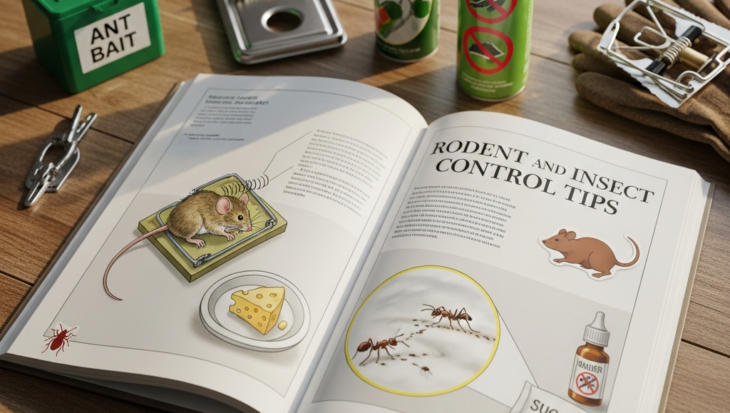
Rodents and insects are among the most common household pests worldwide. Many people search online for “how to get rid of rodents,” “best insect control tips,” and “how to keep my home pest-free” because pests can quickly turn a comfortable home into an unhealthy living space. Rodents such as mice and rats can contaminate food, chew electrical wiring, and damage walls, while insects like cockroaches, ants, and mosquitoes spread bacteria and allergens. Without proper control, even a small pest problem can grow into a severe infestation.
According to health and pest control studies, over 60% of homes experience some form of pest activity each year, and rodents alone cause billions of dollars in property damage annually. This makes pest prevention not just a matter of cleanliness, but a critical part of home safety and health. In this guide, you’ll learn 12 practical and proven rodent and insect control tips that homeowners can apply easily. Each tip is designed to help you prevent infestations, protect your family, and maintain a clean, pest-free home all year round.
Why Do People Search for Rodent and Insect Control Tips?
Rodents and insects are more than just a nuisance; they can cause serious health risks and property damage if left untreated. Many homeowners search for “how to get rid of rodents,” “best insect control tips,” or “pest-free home solutions” because pests can contaminate food, spread diseases, and damage walls, wiring, and furniture. Even a small infestation can quickly escalate into a costly problem if left unchecked.
According to the World Health Organization, rodents and insects contribute to the spread of over 200 diseases worldwide. At the same time, the National Pest Management Association reports that U.S. homeowners spend billions annually on pest control and repairs. The good news is that with the right preventive strategies and control measures, you can effectively protect your home. This guide explains 12 proven rodent and insect control tips that help you maintain a clean, healthy, and pest-free living environment.
1. How Does Sealing Entry Points Prevent Rodents and Insects?
Rodents and insects enter homes through small cracks, gaps, and openings that often go unnoticed. Mice can squeeze through holes as small as a coin, while insects enter through window gaps, door frames, and utility lines. Sealing these entry points blocks pests before they gain access, making prevention far more effective than treatment.
Studies show that sealing structural gaps reduces pest entry by up to 90%. Use caulk, steel wool, weatherstripping, and mesh screens to seal openings around doors, windows, vents, and foundations. This proactive step not only prevents infestations but also improves energy efficiency and indoor air quality.
2. Why Is Proper Food Storage Essential for Pest Control?
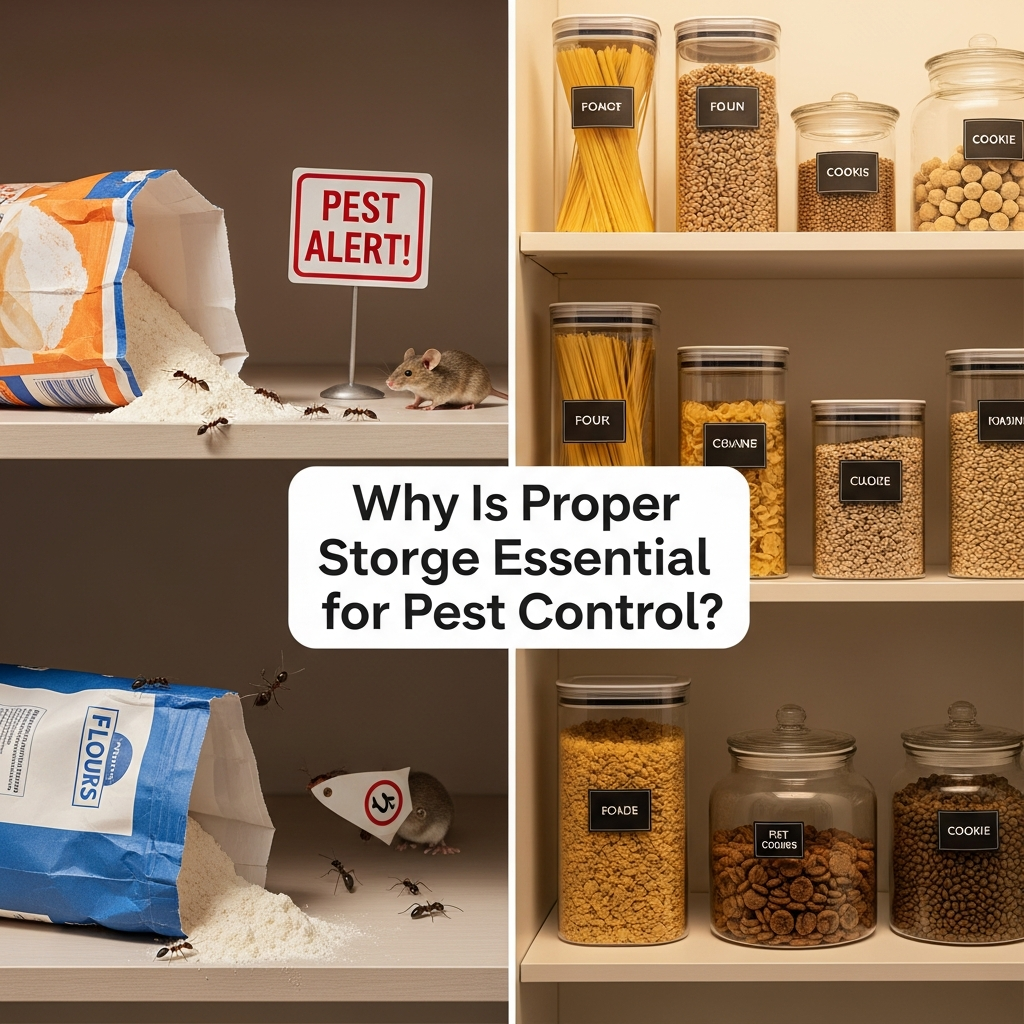
Food sources attract rodents and insects more than anything else. Leaving food uncovered or crumbs on counters invites ants, cockroaches, and mice into your home. Proper food storage eliminates these attractions and disrupts pest feeding cycles.
Research indicates that homes with improper food storage are 3 times more likely to experience infestations. Store food in airtight containers, clean spills immediately, and avoid leaving pet food out overnight. This simple habit dramatically reduces pest activity and supports long-term control.
3. How Does Regular Cleaning Reduce Pest Infestations?
Clean homes are less attractive to pests. Dust, grease, food crumbs, and clutter provide ideal hiding and feeding spots for insects and rodents. Regular cleaning removes these resources and exposes pests, making it harder for them to survive.
According to pest management surveys, routine cleaning lowers infestation risks by over 60%. Focus on kitchens, bathrooms, and storage areas. Vacuum regularly, wipe surfaces daily, and dispose of garbage properly. Cleanliness is one of the most potent, low-cost pest control tools.
4. Can Moisture Control Prevent Insects and Rodents?
Moisture attracts pests such as cockroaches, termites, mosquitoes, and rodents. Leaky pipes, damp basements, and standing water create ideal breeding conditions. Controlling moisture removes these favourable environments and discourages pest survival.
Environmental health studies show that reducing indoor moisture can cut insect populations by up to 50%. Fix leaks, improve ventilation, use dehumidifiers, and ensure proper drainage around your home. Dry environments are far less appealing to pests.
5. Why Is Waste Management Important for a Pest-Free Home?
Improper waste disposal provides pests with food and shelter. Overflowing trash bins and uncovered garbage attract rodents, flies, and cockroaches. Effective waste management disrupts pest feeding opportunities and breeding cycles.
According to municipal health reports, poor waste management can increase rodent activity by up to 70%. Use sealed trash bins, empty garbage regularly, and clean bins frequently. Outdoor trash areas should remain clean and well-maintained to prevent infestations.
6. How Does Yard Maintenance Reduce Pest Problems?
Your yard plays a significant role in pest prevention. Overgrown grass, woodpiles, and debris provide shelter for rodents and insects that eventually move indoors. Maintaining outdoor areas limits nesting and breeding sites.
Landscaping studies show that proper yard maintenance reduces indoor pest invasions by nearly 40%. Trim bushes away from walls, remove standing water, and keep firewood elevated and away from the house. A clean yard creates a protective barrier against pests.
7. Are Natural Pest Control Methods Effective?
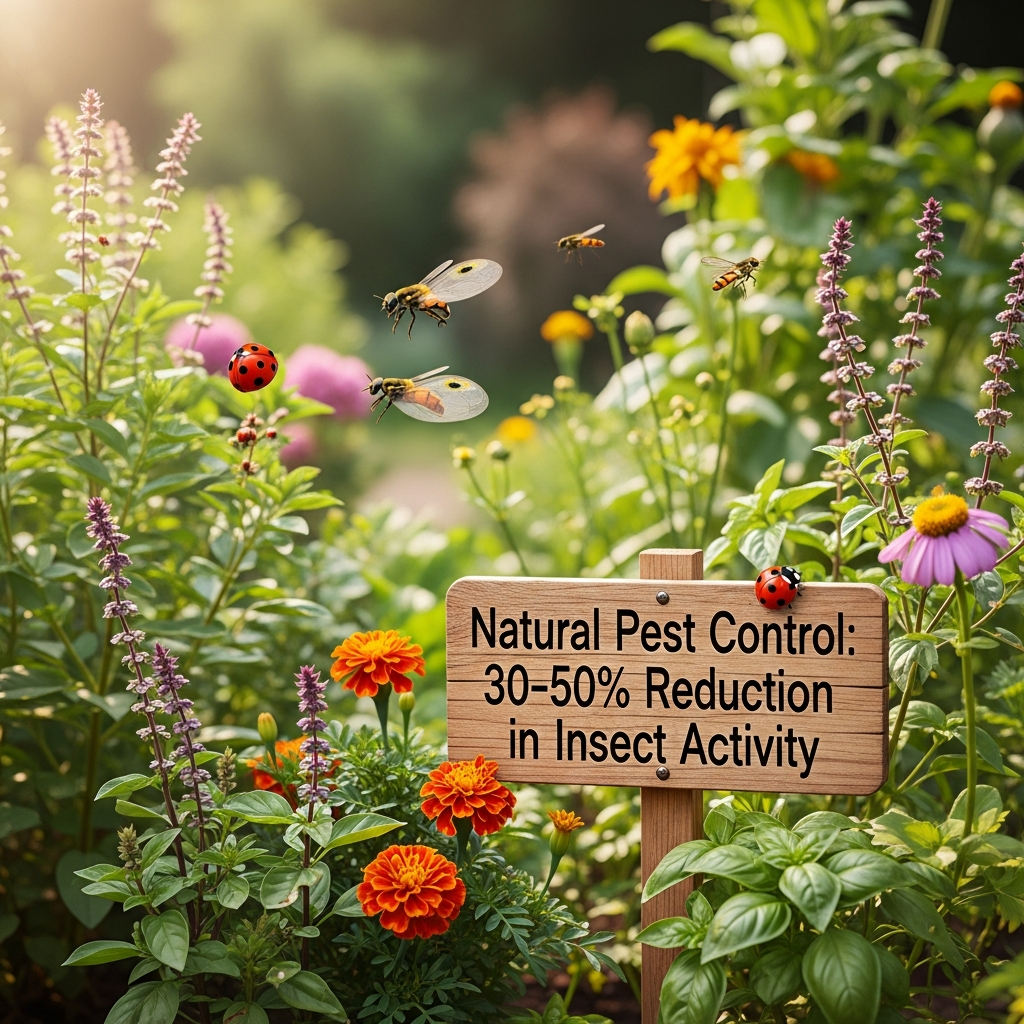
Many homeowners search for “natural rodent control” or “chemical-free insect control” due to health and environmental concerns. Natural methods like essential oils, diatomaceous earth, and traps can be effective for minor infestations.
Research indicates that natural pest control methods can reduce insect activity by 30–50% when used consistently. While eco-friendly solutions are safer for children and pets, severe infestations may still require professional treatment.
8. How Do Traps and Baits Help Control Rodents?
Traps and baits are commonly used to manage rodent populations. They help monitor activity levels and reduce infestations when placed correctly. Snap traps, glue boards, and bait stations effectively target rodents.
According to pest control data, strategically placed traps can reduce rodent populations by up to 75% within weeks. Always place traps along walls and near entry points, and follow safety guidelines to protect pets and children.
9. Can Insect Screens and Barriers Stop Bugs Indoors?
Screens and physical barriers prevent insects from entering through doors, windows, and vents. They are particularly effective against flies, mosquitoes, and crawling insects.
Home improvement studies show that installing insect screens reduces indoor insect presence by over 80%. Repair damaged screens promptly and use door sweeps to block gaps. Physical barriers provide long-term protection with minimal maintenance.
10. Why Is Early Detection Critical for Pest Control?
Early detection prevents small pest problems from becoming major infestations. Signs like droppings, gnaw marks, nests, or insect trails should never be ignored.
According to pest management research, early intervention reduces pest control costs by up to 60%. Regular inspections help identify issues early, saving money and preventing health risks associated with prolonged infestations.
11. When Should You Call Professional Pest Control Services?
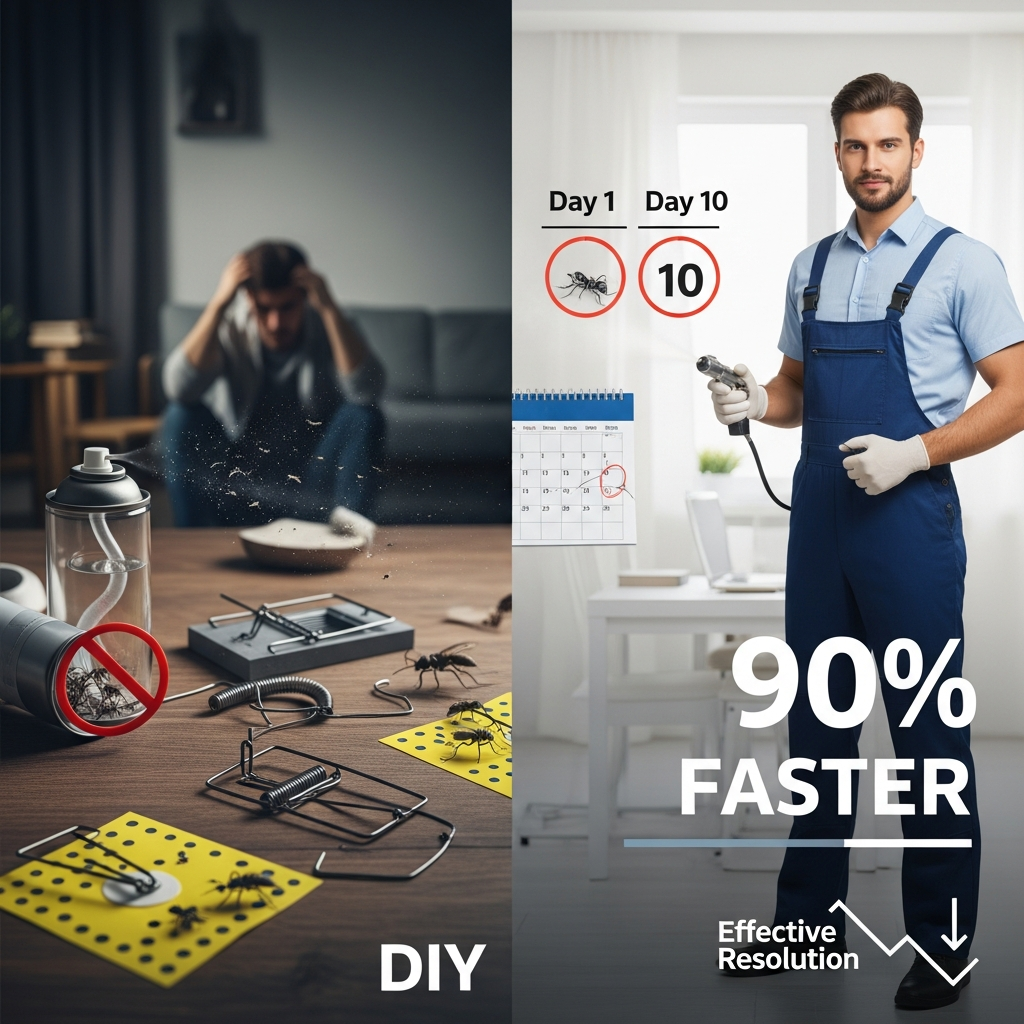
DIY methods work well for minor issues, but severe infestations often require professional intervention. Licensed pest control experts have the tools, knowledge, and treatments necessary to eliminate pests effectively.
Industry statistics show that professional pest control resolves infestations 90% faster than DIY efforts alone. Professionals also provide preventive plans to stop future infestations, ensuring long-term protection.
12. How Do Preventive Pest Control Plans Keep Homes Pest-Free?
Preventive pest control focuses on long-term solutions rather than reactive treatments. Regular inspections, treatments, and maintenance reduce the likelihood of infestations year-round.
Studies reveal that homes with preventive pest control plans experience 65% fewer infestations annually. Prevention saves money, protects health, and ensures peace of mind for homeowners.
What attracts rodents and insects to homes?
Food, moisture, shelter, and clutter are the main attractants.
Are pests dangerous to health?
Yes, pests spread diseases, trigger allergies, and contaminate food.
How often should pest control be done?
Preventive inspections every 3–6 months are recommended.
Can pests damage property?
Rodents and insects can cause structural damage and electrical hazards.
How to Maintain a Pest-Free Home Long-Term
Rodent and insect control requires consistent effort, awareness, and preventive action. By sealing entry points, managing food and waste, maintaining cleanliness, and controlling moisture, homeowners can dramatically reduce pest risks. Small daily habits play a major role in long-term pest prevention.
Investing in preventive strategies and professional support when needed ensures a safer, healthier living environment. A pest-free home protects your property, improves indoor comfort, and safeguards your family’s health, making pest control an essential part of responsible home care.






Leave a Reply