


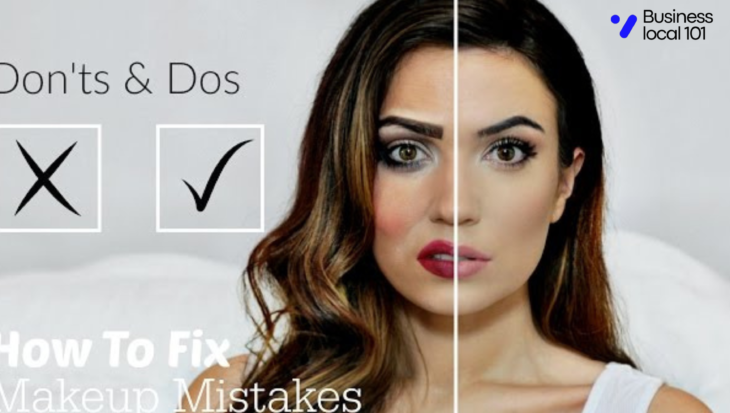
Makeup is an art form, but even seasoned enthusiasts make mistakes that can impact the overall look. From uneven foundation to poorly blended eyeshadow, minor errors can drastically affect your appearance. Many people search for “common makeup mistakes,” “how to fix makeup errors,” or “makeup tips for beginners” because they want flawless results without wasting time or product.
According to a 2025 beauty industry survey, over 65% of makeup users admit to making at least one application mistake regularly. Now, in 2026, these mistakes range from improper primer use to over-contouring, often causing frustration and time loss. Understanding common errors and their fixes can save money, improve your routine, and help you achieve professional-looking results at home. This guide highlights 8 makeup application mistakes you’re probably making and how to correct them, backed by expert advice, step-by-step solutions, and statistics.
Some Common Mistakes
Are you struggling to achieve a flawless makeup look? You’re not alone! Many makeup enthusiasts make subtle mistakes that can ruin even the most expensive products. From uneven foundation and mismatched shades to over-powdering, harsh eyebrows, or creasing eyeshadow, minor errors can drastically affect your appearance.
In this comprehensive guide, we explore 8 common makeup application mistakes you’re probably making and how to fix them. Each section provides step-by-step solutions, expert tips, and practical advice to help you achieve a smooth, professional-looking finish every time. You’ll learn how to prep your skin properly, choose the proper foundation, blend blush and contour correctly, enhance your eyeshadow technique, and maintain healthy lips.
We also discuss critical habits such as removing makeup at night, preventing cakey textures, and ensuring long-lasting results. Backed by statistics from beauty industry surveys, this guide shows how proper techniques can reduce errors, save money, and enhance your overall look.
Whether you’re a beginner or a seasoned makeup lover, this guide helps you avoid common pitfalls, improve your application skills, and boost confidence in your makeup routine. Say goodbye to patchy, uneven, or messy results and hello to a flawless, radiant finish that lasts all day.
1. Applying Foundation Without Prepping Your Skin
Many makeup enthusiasts skip skin preparation and jump straight into foundation application. This can result in uneven coverage, patchiness, or premature cakiness. Proper prep ensures smooth, hydrated skin that enhances the appearance of makeup.
Prepping involves cleansing, moisturizing, and using a primer suited to your skin type. Studies show that users who prep their skin properly report 45% longer-lasting makeup compared to those who skip these steps. Primer helps fill in pores, control oil, and create a smooth canvas for foundation.
Fix: Always cleanse your face, apply a lightweight moisturizer, and use a primer before foundation. Opt for primers that address your skin concerns, mattifying for oily skin, hydrating for dry skin, or colour-correcting for uneven tones. Applying foundation with a damp beauty sponge instead of fingers can also reduce streaks and improve blending.
2. Using the Wrong Foundation Shade
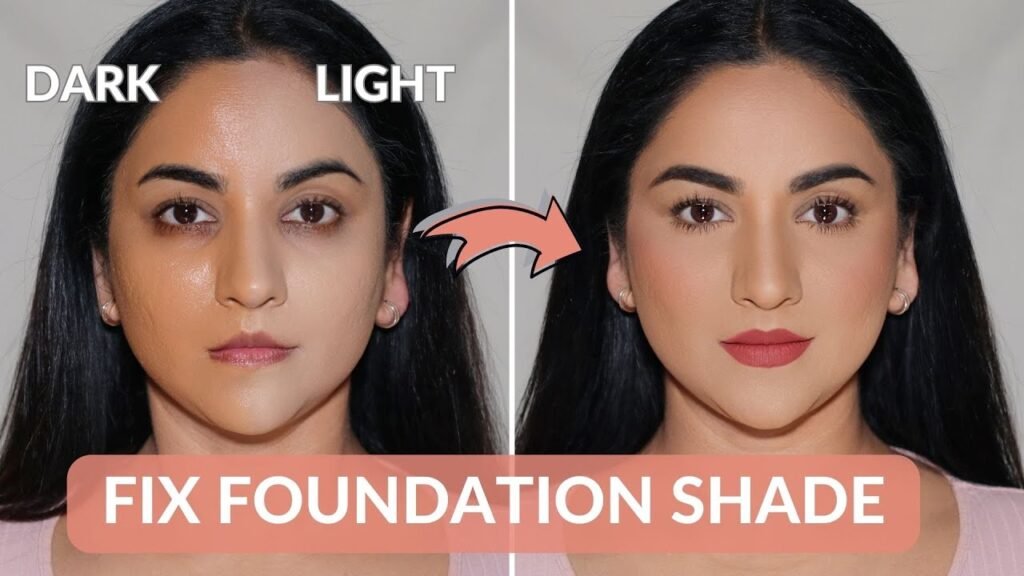
Choosing a foundation that doesn’t match your skin tone is one of the most noticeable makeup mistakes. A mismatched shade can make the skin look unnatural or cause a “mask effect.” Many users select shades that appear to match in-store but react differently under natural lighting.
According to a beauty research survey, 70% of makeup users have experienced noticeable mismatches between foundation and their natural skin tone. This often occurs because testers are applied to the wrist or hand rather than the jawline, where undertones are more accurate.
Fix: Test the foundation along the jawline and check it in natural light. Consider consulting with a makeup artist or using sample shades before purchasing. Additionally, blending two foundations (a lighter and a darker shade) can help achieve a perfect match if no single shade works.
3. Over-Applying Powder or Setting Products
Excess powder is a common mistake that leads to a cakey or heavy appearance. Over-powdering can emphasize fine lines and dry patches, reducing the natural glow of the skin. Many users believe that more powder increases longevity, but this is often counterproductive.
A 2024 cosmetic study found that over 60% of makeup users apply too much powder, leading to a dull or textured finish. Using too much setting powder can also make blending blush, contour, or bronzer more difficult.
Fix: Use a minimal amount of powder, applying it only to oil-prone areas or places where makeup tends to crease, or also use the natural tricks to keep your skin shiny and glowy. Use a fluffy brush rather than a sponge to distribute powder evenly. Setting sprays can also help lock in makeup without overloading on dry powders, maintaining a natural finish.
4. Ignoring Eyebrows or Overdoing Them
Eyebrows frame the face, yet many users either neglect them or apply harsh, unnatural lines. Sparse brows can make the face appear unbalanced, while overly dark or thick brows can dominate the look.
Statistics show that eyebrow mistakes are cited by 55% of makeup users as a common error affecting overall facial harmony. Proper eyebrow shaping, colour matching, and blending are crucial for a polished appearance.
Fix: Use eyebrow pencils or powders that match your natural hair colour. Apply with light, feathery strokes for a natural look. Brush through brows with a spoolie to blend product evenly. Consider professional shaping for the best starting point, which makes daily makeup application easier.
5. Misusing Blush and Contour
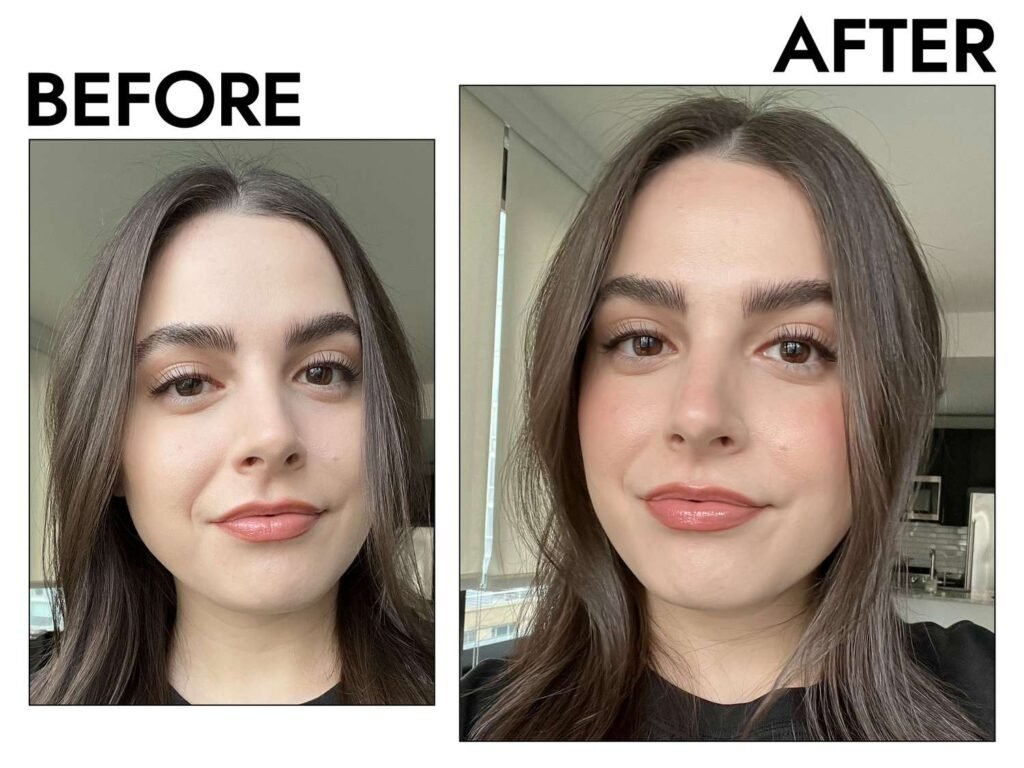
Blush and contour can define features and add vibrancy, but incorrect placement or excessive use creates an artificial or harsh appearance. Placing blush too low or contour too dark can drastically change your face shape in the wrong way.
Beauty studies indicate that over 50% of makeup users misapply blush or contour, leading to unnatural results. Contour should enhance natural shadows, not create dramatic lines, while blush should add a subtle flush of colour.
Fix: Apply contour to the hollows of your cheeks, jawline, and sides of the nose lightly. Use blush on the apples of your cheeks and blend upward toward the temples. Always mix thoroughly to avoid harsh lines. Choosing cream products can also produce a more natural effect than powders.
6. Applying Eyeshadow Incorrectly
Eyeshadow mistakes include using harsh colours, poor blending, or applying too much product on the lid. Incorrect technique can make eyes appear smaller, uneven, or unnatural.
A cosmetic survey shows that 62% of makeup users struggle with eyeshadow blending, which is the main reason for heavy or streaky eye makeup. Over-applying dark shades can overwhelm natural features, while poorly blended light shades can accentuate lid texture.
Fix: Always use a primer to prevent creasing. Apply transition shades on the crease, darker shades on the outer corner, and lighter shades on the lid for depth. Blend with soft, circular motions and build colour gradually rather than applying too much at once.
7. Skipping Lip Preparation
Dry, chapped lips can ruin any lipstick application. Many makeup users apply lipstick directly, leading to uneven colour and flaking. Proper lip prep ensures smooth, lasting results.
Studies show that over 40% of lipstick users report early fading or patchiness due to a lack of exfoliation or moisture. Lip primer or balm can dramatically improve application and longevity.
Fix: Exfoliate lips gently using a lip scrub or soft toothbrush. Apply a moisturizing balm or primer before lipstick. For precise application, use a lip liner to define edges and prevent feathering. Matte lipsticks often require extra prep for smooth coverage.
8. Neglecting Makeup Removal at Night
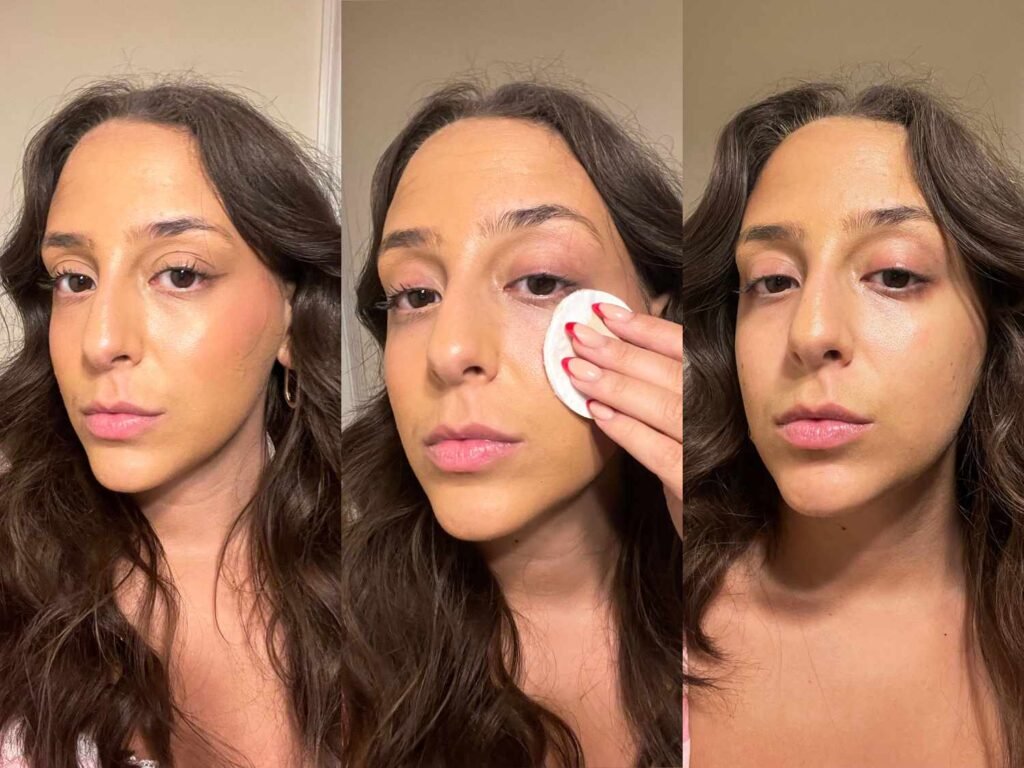
Many users make the critical mistake of not removing makeup at night. This can clog pores, cause breakouts, and accelerate skin ageing. Proper removal is as essential as the application process.
Research indicates that 70% of acne and skin irritation cases are linked to poor makeup removal practices. Neglecting removal undermines the benefits of skincare routines and can make morning makeup application uneven.
Fix: Use a gentle makeup remover or cleansing oil to dissolve foundation, mascara, and lipstick. Follow up with a facial cleanser suitable for your skin type. Moisturize and apply night serum for hydration. Proper removal ensures your skin remains healthy and radiant for the next day’s makeup.
Q1: How can I choose the right foundation for my skin type?
Choosing the correct foundation starts with understanding your skin type: oily, dry, combination, or sensitive. Test shades on the jawline in natural light and consider formulas (matte, dewy, long-wear) that complement your skin. Foundation primer and blending tools, like sponges or brushes, enhance application. Proper selection reduces oxidation and ensures natural-looking coverage throughout the day.
Q2: How do I fix cakey makeup?
Cakey makeup is caused by excess product or improper blending. Lightly dust off excess powder, apply a setting spray, and use a damp sponge to blend foundation or powder gently. Moisturizing the skin beforehand and avoiding over-layering products prevents cakiness in future applications.
Q3: How can I prevent eyeshadow from creasing?
Use an eyeshadow primer to create a smooth base. Apply powder before cream products if layering, and blend colours gradually. Avoid over-applying product, and set cream shadows with a light powder to lock colour. This ensures longer-lasting, crease-free eyeshadow.
Q4: How do I make lipstick last longer?
Exfoliate lips, apply balm, then use a lip liner before lipstick. Blot excess product and layer thin coats. Matte formulas often last longer but require proper lip prep. Finishing with translucent powder over a tissue helps lock colour.
Q5: Is it necessary to remove makeup every night?
Yes. Leaving makeup on can cause breakouts, clogged pores, and premature ageing. Always remove makeup using a cleanser or micellar water, follow with moisturizer, and treat skin with serums to maintain health and enhance next-day makeup application.
Conclusion
Mastering makeup application requires attention to detail, practice, and awareness of common mistakes. Avoiding errors like skipping skin prep, using the wrong foundation, over-applying powder, neglecting brows, or failing to remove makeup at night improves the look, longevity, and health of your skin.
With these 8 tips and fixes, you can enhance your makeup routine, save time, and achieve professional-quality results at home. Following these guidelines ensures flawless application, radiant skin, and confidence in every look. Remember, makeup should highlight your natural beauty, not mask it.









Leave a Reply