


Why NASDAQ Matters for New Traders
The NASDAQ stock exchange is one of the most powerful and influential financial markets in the world. Known for its fully electronic trading system and technology-heavy listings, NASDAQ is home to global innovators such as Apple, Microsoft, Tesla, Amazon, and NVIDIA.
For beginners, NASDAQ can feel intimidating due to fast price movements, sharp volatility, and constant news-driven fluctuations. However, these same characteristics are what make NASDAQ attractive. High liquidity, transparency, and innovation-driven growth create consistent opportunities for traders who understand the basics.
By 2026, NASDAQ trading tips will be increasingly shaped by AI-powered analytics, algorithmic trading, and rising retail participation. This guide breaks everything down step by step, so even complete beginners can trade with confidence.
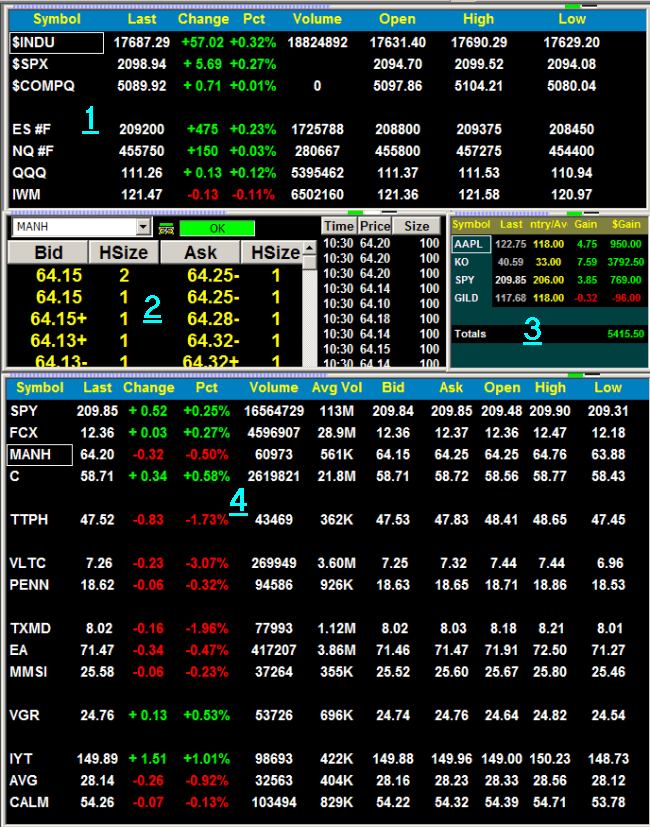
1. How to Start Trading NASDAQ Stocks (Step-by-Step)
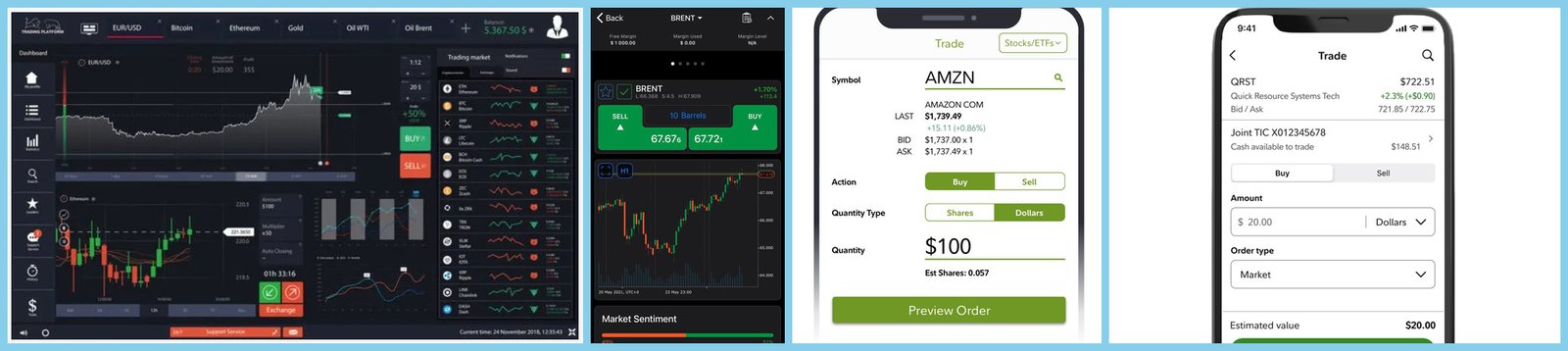
Choose the Right Brokerage Platform
Your trading journey begins with selecting a regulated and beginner-friendly brokerage. Popular NASDAQ-access brokers include TD Ameritrade, Robinhood, E*TRADE, and Interactive Brokers.
When choosing a broker, beginners should prioritize:
- Zero or low trading commissions
- Fractional share investing
- Educational resources
- Paper trading or demo accounts
- Strong mobile and desktop platforms
Understand Basic Order Types
Before placing your first trade, you must understand:
- Market Order:
Buy or sell instantly at current prices
- Limit Orders:
Execute trades at a specific price
- Stop-Loss Orders:
Automatically exit losing trades.
Real-Life Beginner Case Study
In 2025, a first-time trader invested just $100 into fractional shares of Apple using Robinhood. Instead of guessing, they tracked earnings reports and product announcements. By reacting patiently rather than emotionally, they achieved a 7% gain in two months, proving that starting small is smart.
2026 Insight
Modern brokers now use AI to analyze your risk tolerance, trading behavior, and portfolio structure. Beginners in 2026 receive personalized trade suggestions, warnings about overtrading, and alerts for high-risk positions.
2. Best NASDAQ Trading Strategies for Beginners

Day Trading NASDAQ Stocks
Day trading involves opening and closing positions within the same trading day. It’s best suited for:
- Highly liquid stocks
- Traders who can monitor markets constantly
- Volatile tech stocks like NVIDIA or AMD
Day trading carries high risk and requires strict discipline.
Swing Trading (Best for Beginners)
Swing traders hold stocks for several days or weeks, aiming to profit from trends. This strategy suits beginners because it:
- Reduces screen time
- Relies on technical + fundamental analysis
- Offers controlled risk
Example: Buying Amazon before earnings and selling after post-earnings momentum.
Long-Term NASDAQ Investing
This approach focuses on long-term growth by holding high-quality stocks like Microsoft for months or years. It benefits from:
- Compound growth
- Lower stress
- Reduced trading fees
Mini Technical Analysis Tutorial
- Candlestick Charts: Reveal price psychology and trend reversals
- RSI: Shows overbought (>70) or oversold (<30) conditions
- MACD: Identifies momentum shifts and trend strength
Strategy Case Study
A swing trader in 2025 combined Tesla’s revenue growth with MACD crossovers. By entering during trend confirmation and exiting early on momentum loss, they secured a 15% monthly return while limiting downside risk.
3. Best NASDAQ Stocks for Beginner Traders
Beginners should focus on high-volume, well-covered stocks:
Apple (AAPL)
- Massive liquidity
- Stable earnings growth
- Lower volatility than most tech stocks
Microsoft (MSFT)
- Dividend-paying tech giant
- Cloud and AI leadership
- Ideal for long-term investing
Tesla (TSLA)
- High volatility
- Best for swing traders
- News-sensitive price movements
NVIDIA (NVDA)
- Dominant AI and semiconductor player
- Strong institutional interest
- High growth, higher risk
Amazon (AMZN)
- Strong e-commerce and AWS growth
- Less volatile than pure tech startups
Risk Lesson from 2025
After Tesla issued unexpected earnings guidance, shares dropped 12% intraday. Traders with stop-losses limited losses to under 3%, while unprotected traders suffered deep drawdowns.
4. NASDAQ ETFs and Smart Diversification
Diversification protects beginners from overexposure to one stock.
Beginner-Friendly NASDAQ ETFs
- Invesco QQQ: Tracks NASDAQ-100 companies
- Vanguard VGT: Technology-focused with lower volatility
Sample Beginner Portfolio (2026 Model)
- 50% blue-chip NASDAQ stocks (Apple, Microsoft)
- 30% growth stocks (NVIDIA, Tesla)
- 20% ETFs (QQQ, VGT)
Real Example
A beginner who diversified between QQQ and Microsoft during the 2025 tech sell-offs experienced smaller drawdowns and smoother recovery than single-stock traders.
5. Chart Analysis and Stop-Loss Mastery
Core Chart Analysis Tools
- Moving averages for trend direction
- Candlestick patterns for entries
- Volume confirmation for breakouts
Smart Stop-Loss Strategies
- 2–5% stops for volatile NASDAQ stocks
- Wider stops for long-term investments
- Trailing stops to lock profits
Using a 3% stop-loss on Tesla in 2025 prevented catastrophic losses while preserving upside potential.
6. NASDAQ vs NYSE: Which Is Better for Beginners?
NASDAQ is fully electronic, innovation-driven, and volatile. NYSE tends to be more stable and traditional.
Example: During the 2024 tech downturn, NASDAQ stocks fell faster, but also rebounded quicker than NYSE counterparts like Coca-Cola.
7. NASDAQ Trading Hours You Must Know
- Pre-Market: 4:00 AM – 9:30 AM ET
- Regular Session: 9:30 AM – 4:00 PM ET
- After-Hours: 4:00 PM – 8:00 PM ET
Pre-market trading in NVIDIA after AI announcements in 2025 showed how off-hours activity can drive massive price gaps.
8. Major Risks and How Beginners Can Control Them
Primary risks include:
- High volatility
- Emotional trading
- Overleveraging
Risk control tools:
- Position sizing
- Stop-loss orders
- Diversified portfolios
9. Professional NASDAQ Trading Tools (2026)
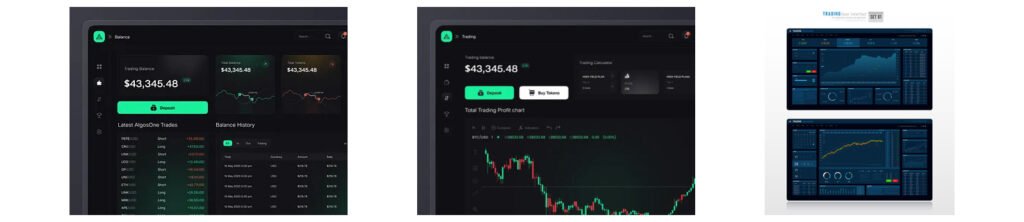
Beginners now have access to institutional-grade platforms:
- TradingView: Advanced charting and indicators
- ThinkorSwim: Paper trading and strategy testing
- Bloomberg Terminal: News and analytics (advanced users)
- AI Trade Scanners: Predictive trend detection
In 2025, hedge funds used AI scanners to identify undervalued NASDAQ stocks weeks before retail discovery.
Can beginners really make money trading NASDAQ?
Yes, but not overnight. Beginners who start small, manage risk, and follow structured strategies often achieve consistent returns over time. The key is discipline, not prediction.
How much money do I need to start?
With fractional shares, $500–$1,000 is more than enough. What matters more than capital size is risk control and consistency.
Is NASDAQ riskier than the NYSE?
NASDAQ is more volatile, but volatility also means opportunity. With proper risk management, NASDAQ can offer higher long-term growth potential.
Should beginners use AI trading tools?
Yes, AI tools help beginners avoid emotional mistakes, analyze trends faster, and improve decision-making. However, they should assist, not replace, learning.
Final Thoughts: Is NASDAQ Worth It in 2026?
Absolutely. NASDAQ trading in 2026 offers unmatched opportunities for beginners willing to learn and adapt. With AI-driven platforms, accessible tools, fractional investing, and educational resources, new traders can now compete in ways that were impossible a decade ago.
By combining knowledge, discipline, diversification, and modern technology, beginners can transform NASDAQ’s volatility into a long-term advantage and build sustainable trading success.






Leave a Reply