


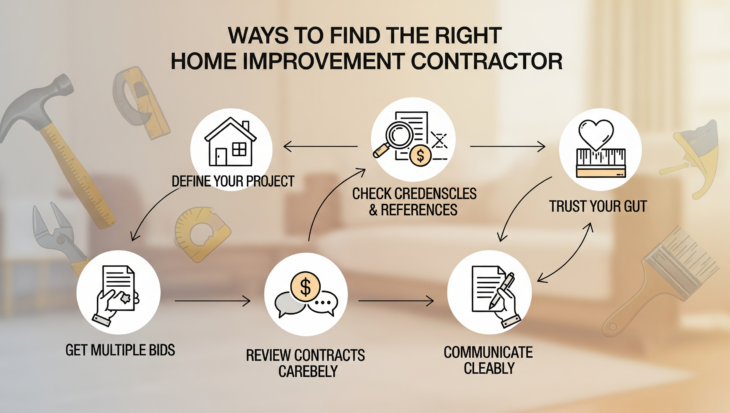
Many homeowners ask, “How do I choose the right home improvement contractor?” because hiring the wrong contractor can result in poor craftsmanship, budget overruns, and long delays. Home improvement projects often involve large investments, whether you are renovating a kitchen, remodelling a bathroom, or repairing your roof. Choosing the right professional ensures that your project is completed safely, legally, and to a high standard.
According to the U.S. Federal Trade Commission, home improvement scams are among the top consumer complaints, costing homeowners billions each year. This guide explains how to select a trustworthy contractor step by step. It answers the most common questions people search online and helps you avoid costly mistakes while hiring the right professional for your home.
What Does a Home Improvement Contractor Do?
A home improvement contractor is a professional responsible for planning, managing, and completing renovation or repair projects. These projects may include remodelling kitchens, bathrooms, and basements; roofing, flooring, painting; and plumbing and electrical upgrades. Contractors coordinate materials, labour, timelines, and inspections to ensure the work meets local building codes.
Industry data shows that over 70% of homeowners hire contractors for renovation projects rather than doing them themselves. A qualified contractor brings experience, tools, and legal compliance, reducing risk and ensuring high-quality results. Understanding their role helps homeowners set realistic expectations before hiring.
Why Is It Important to Hire a Licensed Contractor?
Hiring a licensed contractor protects you legally and financially. Licensed contractors meet state or local requirements, including training, experience, and examinations. They are also more likely to comply with building codes and safety regulations, reducing the risk of structural problems.
Statistics from consumer protection agencies indicate that licensed contractors are 60% less likely to be involved in disputes than unlicensed workers. If something goes wrong, licensing provides a clear path for complaints and accountability, making it an essential factor when choosing a contractor.
How Can I Find Reliable Home Improvement Contractors Near Me?
Most homeowners begin by searching online for “home improvement contractors near me.” Google, Yelp, Angi, and local business directories provide lists of contractors along with customer reviews. These platforms allow homeowners to compare ratings, services, and experiences before contacting anyone.
According to market research, 84% of people trust online reviews as much as personal recommendations. In addition to online searches, asking friends, family, or neighbours for referrals remains one of the most reliable ways to find trusted contractors with proven track records.
What Questions Should I Ask Before Hiring a Contractor?
Asking the right questions helps you evaluate a contractor’s professionalism and experience. Important questions include asking about licensing, insurance, years of experience, similar past projects, and expected timelines. Clear communication at this stage prevents misunderstandings later.
Research shows that homeowners who ask detailed questions before hiring are 45% more satisfied with the final results. A professional contractor should answer confidently and provide documentation without hesitation.
How Do I Verify a Contractor’s License and Insurance?
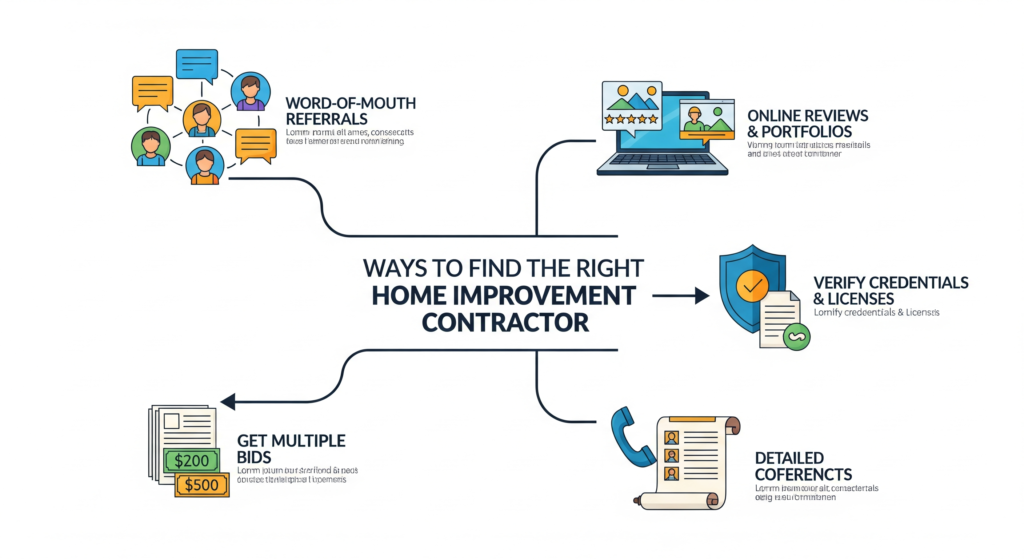
Always ask for proof of license and insurance before signing any agreement. You can verify licenses through local government or state contractor boards. Insurance should include both liability coverage and workers’ compensation to protect you from accidents on your property.
According to industry reports, nearly 30% of contractor disputes arise due to a lack of insurance coverage. Verifying credentials protects you from legal liability and financial loss if injuries or damages occur during the project.
Why Are Written Estimates and Contracts So Important?
A written estimate outlines the project scope, materials, costs, and timeline. It helps you compare contractors fairly and prevents unexpected charges. A formal contract legally binds both parties and protects your rights.
The Better Business Bureau reports that over 50% of home improvement complaints involve unclear or missing contracts. Always insist on a detailed written agreement before any work begins.
How Many Contractor Quotes Should I Compare?
Experts recommend getting at least three written quotes from different contractors. Comparing quotes helps you understand market pricing and identify unusually low or high bids. Extremely low quotes often signal poor materials or hidden costs.
Statistics show that homeowners who compare multiple quotes save an average of 15–20% on renovation costs. Comparing estimates also reveals differences in project timelines and material quality.
What Are Red Flags When Hiring a Home Improvement Contractor?
Red flags include requests for full upfront payment, refusal to provide references, lack of written contracts, and pressure to make quick decisions. Contractors who avoid documentation often operate unprofessionally.
Consumer protection data show that more than 40% of home improvement fraud cases involve upfront cash demands. Recognizing warning signs early can prevent financial loss and project failure.
How Important Are Reviews and References?
Reviews and references provide real insight into a contractor’s reliability and artistry. Reading multiple reviews helps identify patterns in customer satisfaction or complaints. Speaking directly to past clients offers even more profound insight.
Surveys show that 90% of homeowners read reviews before hiring a contractor, and those who check references report significantly fewer issues during projects.
Should I Hire a Specialized Contractor or a General Contractor?
General contractors manage entire projects, while specialized contractors focus on specific tasks such as plumbing or electrical work. Large renovations usually require a general contractor to coordinate multiple trades.
Industry data suggests that projects managed by general contractors are completed 25% faster due to better coordination. Choosing the right type depends on the scope and complexity of your project.
How Do Timelines and Project Schedules Affect My Decision?
Clear timelines prevent delays and frustration. A professional contractor provides a realistic schedule and communicates progress regularly. Unexpected delays should be explained clearly.
Statistics indicate that nearly 35% of renovation projects exceed their original timeline due to poor planning. Hiring an organized contractor minimizes this risk.
How Can I Avoid Home Improvement Scams?
Avoid contractors who appear door-to-door, require cash payments, or refuse to provide written agreements. Always verify credentials and avoid rushing decisions.
The FTC reports that homeowners lose billions annually to home improvement fraud. Staying informed and cautious significantly reduces the risk of scams.
How Do Payments and Payment Schedules Work?
A standard payment schedule includes an initial deposit, milestone payments, and a final payment upon completion. Avoid paying more than 10–20% upfront.
Industry experts state that projects with structured payment schedules have 50% fewer disputes. Never pay the full amount before work is finished.
What Role Does Communication Play in Contractor Selection?
Clear communication builds trust and prevents misunderstandings. Contractors should respond promptly, explain processes clearly, and listen to your concerns.
Studies show that poor communication is the leading cause of contractor disputes, accounting for nearly 60% of conflicts.
How Do Building Permits Affect Contractor Choice?
Qualified contractors handle permits and inspections as part of the project. Permits ensure work meets safety standards and legal requirements.
Data shows that unpermitted work reduces property value by up to 20%. Hiring a contractor familiar with local codes protects your investment.
Can Hiring the Cheapest Contractor Cost More in the Long Run?
Low-cost contractors often cut corners, use inferior materials, or lack experience. These shortcuts can lead to repairs and added expenses later.
Research indicates that homeowners who choose quality over price save 30% on long-term maintenance costs. Value matters more than the lowest bid.
How Can I Build a Good Working Relationship With My Contractor?
Mutual respect and clear expectations create successful projects. Regular updates and honest feedback keep work on track.
Projects with strong homeowner-contractor relationships show higher satisfaction and better results, according to industry surveys.
Conclusion: How Do I Choose the Right Home Improvement Contractor?
Choosing the right home improvement contractor requires research, patience, and careful evaluation. Checking licenses, comparing quotes, reviewing references, and insisting on written contracts protect your investment.
Statistics prove that informed homeowners experience fewer problems and better outcomes. When you choose wisely, your home improvement project becomes a positive and rewarding experience. Many homeowners ask, “How do I choose the right home improvement contractor?” because hiring the wrong contractor can result in poor craftsmanship, budget overruns, and long delays. Home improvement projects often involve large investments, whether you are renovating a kitchen, remodelling a bathroom, or repairing your roof. Choosing the right professional ensures that your project is completed safely, legally, and to a high standard.
According to the U.S. Federal Trade Commission, home improvement scams are among the top consumer complaints, costing homeowners billions each year. This guide explains how to select a trustworthy contractor step by step. It answers the most common questions people search online and helps you avoid costly mistakes while hiring the right professional for your home.
What Does a Home Improvement Contractor Do?
A home improvement contractor is a professional responsible for planning, managing, and completing renovation or repair projects. These projects may include remodelling kitchens, bathrooms, and basements; roofing, flooring, painting; and plumbing and electrical upgrades. Contractors coordinate materials, labour, timelines, and inspections to ensure the work meets local building codes.
Industry data shows that over 70% of homeowners hire contractors for renovation projects rather than doing them themselves. A qualified contractor brings experience, tools, and legal compliance, reducing risk and ensuring high-quality results. Understanding their role helps homeowners set realistic expectations before hiring.
Why Is It Important to Hire a Licensed Contractor?
Hiring a licensed contractor protects you legally and financially. Licensed contractors meet state or local requirements, including training, experience, and examinations. They are also more likely to comply with building codes and safety regulations, reducing the risk of structural problems.
Statistics from consumer protection agencies indicate that licensed contractors are 60% less likely to be involved in disputes than unlicensed workers. If something goes wrong, licensing provides a clear path for complaints and accountability, making it an essential factor when choosing a contractor.
How Can I Find Reliable Home Improvement Contractors Near Me?
Most homeowners begin by searching online for “home improvement contractors near me.” Google, Yelp, Angi, and local business directories provide lists of contractors along with customer reviews. These platforms allow homeowners to compare ratings, services, and experiences before contacting anyone.
According to market research, 84% of people trust online reviews as much as personal recommendations. In addition to online searches, asking friends, family, or neighbours for referrals remains one of the most reliable ways to find trusted contractors with proven track records.
What Questions Should I Ask Before Hiring a Contractor?
Asking the right questions helps you evaluate a contractor’s professionalism and experience. Essential questions include asking about licensing, insurance, years of experience, similar past projects, and expected timelines. Clear communication at this stage prevents misunderstandings later.
Research shows that homeowners who ask detailed questions before hiring are 45% more satisfied with the final results. A professional contractor should answer confidently and provide documentation without hesitation.
How Do I Verify a Contractor’s License and Insurance?
Always ask for proof of license and insurance before signing any agreement. You can verify licenses through local government or state contractor boards. Insurance should include both liability coverage and workers’ compensation to protect you from accidents on your property.
According to industry reports, nearly 30% of contractor disputes stem from a lack of insurance coverage. Verifying credentials protects you from legal liability and financial loss if injuries or damages occur during the project.
Why Are Written Estimates and Contracts So Important?
A written estimate outlines the project scope, materials, costs, and timeline. It helps you compare contractors fairly and prevents unexpected charges. A formal contract legally binds both parties and protects your rights.
The Better Business Bureau reports that over 50% of home improvement complaints involve unclear or missing contracts. Always insist on a detailed written agreement before any work begins.
How Many Contractor Quotes Should I Compare?
Experts recommend getting at least three written quotes from different contractors. Comparing quotes helps you understand market pricing and identify unusually low or high bids. Extremely low quotes often signal poor materials or hidden costs.
Statistics show that homeowners who compare multiple quotes save an average of 15–20% on renovation costs. Comparing estimates also reveals differences in project timelines and material quality.
What Are Red Flags When Hiring a Home Improvement Contractor?

Red flags include requests for full upfront payment, refusal to provide references, lack of written contracts, and pressure to make quick decisions. Contractors who avoid documentation often operate unprofessionally.
Consumer protection data show that more than 40% of home improvement fraud cases involve upfront cash demands. Recognizing warning signs early can prevent financial loss and project failure.
How Important Are Reviews and References?
Reviews and references provide real insight into a contractor’s reliability and artistry. Reading multiple reviews helps identify patterns in customer satisfaction or complaints. Speaking directly to past clients offers even more profound insight.
Surveys show that 90% of homeowners read reviews before hiring a contractor, and those who check references report significantly fewer issues during projects.
Should I Hire a Specialized Contractor or a General Contractor?
General contractors manage entire projects, while specialized contractors focus on specific tasks such as plumbing or electrical work. Large renovations usually require a general contractor to coordinate multiple trades.
Industry data suggests that projects managed by general contractors are completed 25% faster due to better coordination. Choosing the right type depends on the scope and complexity of your project.
How Do Timelines and Project Schedules Affect My Decision?
Clear timelines prevent delays and frustration. A professional contractor provides a realistic schedule and communicates progress regularly. Unexpected delays should be explained clearly.
Statistics indicate that nearly 35% of renovation projects exceed their original timeline due to poor planning. Hiring an organized contractor minimizes this risk.
How Can I Avoid Home Improvement Scams?
Avoid contractors who appear door-to-door, require cash payments, or refuse to provide written agreements. Always verify credentials and avoid rushing decisions.
The FTC reports that homeowners lose billions annually to home improvement fraud. Staying informed and cautious significantly reduces the risk of scams.
How Do Payments and Payment Schedules Work?
A standard payment schedule includes an initial deposit, milestone payments, and a final payment upon completion. Avoid paying more than 10–20% upfront.
Industry experts state that projects with structured payment schedules have 50% fewer disputes. Never pay the full amount before work is finished.
What Role Does Communication Play in Contractor Selection?
Clear communication builds trust and prevents misunderstandings. Contractors should respond promptly, explain processes clearly, and listen to your concerns.
Studies show that poor communication is the leading cause of contractor disputes, accounting for nearly 60% of conflicts.
How Do Building Permits Affect Contractor Choice?
Qualified contractors handle permits and inspections as part of the project. Permits ensure work meets safety standards and legal requirements.
Data show that unpermitted work can reduce property value by up to 20%. Hiring a contractor familiar with local codes protects your investment.
Can Hiring the Cheapest Contractor Cost More in the Long Run?
Low-cost contractors often cut corners, use inferior materials, or lack experience. These shortcuts can lead to repairs and added expenses later.
Research indicates that homeowners who choose quality over price save 30% on long-term maintenance costs. Value matters more than the lowest bid.
How Can I Build a Good Working Relationship With My Contractor?
Mutual respect and clear expectations create successful projects. Regular updates and honest feedback keep work on track.
Projects with strong homeowner-contractor relationships show higher satisfaction and better results, according to industry surveys.
Conclusion: How Do I Choose the Right Home Improvement Contractor?
Choosing the right home improvement contractor requires research, patience, and careful evaluation. Checking licenses, comparing quotes, reviewing references, and insisting on written contracts protect your investment.
Statistics prove that informed homeowners experience fewer problems and better outcomes. When you choose wisely, your home improvement project becomes a positive and rewarding experience.






Leave a Reply