


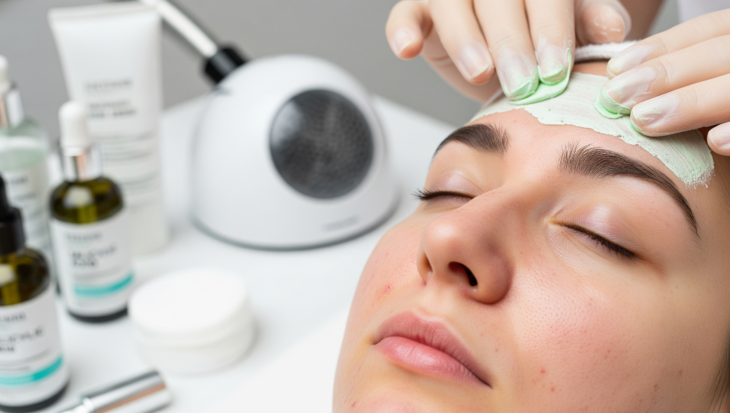
Acne-prone skin needs special care because it reacts quickly to harsh products, heavy creams, and incorrect treatments. Many people try random facials without understanding their skin type, which often makes acne worse instead of better. That is why knowing which facial treatment is best for acne-prone skin is extremely important before visiting a salon or clinic.
This guide explains everything in simple words. You will learn about the best facial treatments, how they work, who they are suitable for, and what results you can expect. The blog also answers the most common questions people search for on Google so that you can make a confident, informed decision about your skin.
What Is Acne-Prone Skin and Why Does It Need Special Treatment?
Acne-prone skin produces excess oil, which clogs pores and allows bacteria to grow. This leads to pimples, blackheads, whiteheads, and sometimes painful cystic acne. Hormones, stress, diet, pollution, and improper skincare routines often trigger acne breakouts.
Because acne-prone skin is sensitive, it needs treatments that deeply cleanse pores without irritating the skin. The wrong facial can cause inflammation, redness, and even more breakouts. That is why dermatologists recommend facials that focus on gentle exfoliation, oil control, and antibacterial benefits.
Which Facial Is Best for Acne-Prone Skin According to Dermatologists?
Dermatologists usually recommend non-comedogenic, oil-free facials focused on deep cleansing. Treatments like salicylic acid facials, chemical peels, hydra facials, and LED light therapy are considered the safest and most effective options for acne-prone skin.
These facials work by removing dead skin cells, unclogging pores, and reducing acne-causing bacteria. Unlike traditional glow facials, acne-focused treatments are designed to heal the skin rather than temporarily improve appearance.
Is a Salicylic Acid Facial Good for Acne-Prone Skin?
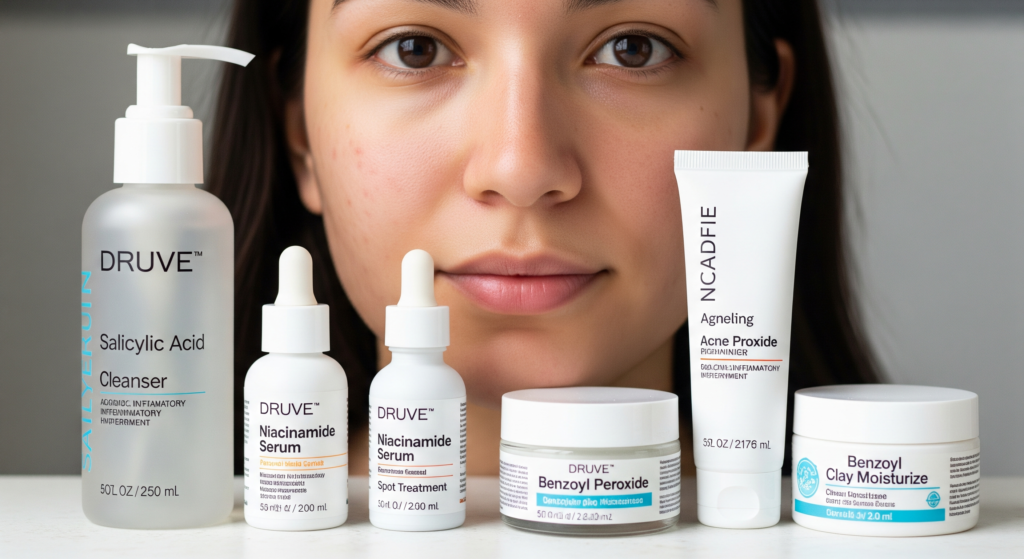
Yes, a salicylic acid facial is one of the best treatments for acne-prone skin. Salicylic acid penetrates deep into pores, dissolving excess oil and dead skin cells. This helps reduce blackheads, whiteheads, and active acne.
Regular salicylic acid facials also help prevent future breakouts by keeping pores clean. This facial is especially effective for oily and combination skin types. However, it should always be done by a trained professional to avoid irritation.
Can Chemical Peels Help Acne-Prone Skin?
Chemical peels are highly effective for acne-prone skin when done correctly. Mild peels, such as glycolic acid, lactic acid, or salicylic acid, gently exfoliate the skin and promote cell turnover. This helps reduce acne, acne scars, and pigmentation.
Unlike harsh treatments, light chemical peels improve skin texture without damaging the skin barrier. They are ideal for people struggling with frequent breakouts and uneven skin tone. However, strong peels should be avoided unless recommended by a dermatologist.
Is HydraFacial Safe for Acne-Prone Skin?
HydraFacial is safe and beneficial for acne-prone skin because it cleanses, exfoliates, and hydrates simultaneously. It uses vacuum-based technology to remove impurities from pores while infusing the skin with soothing serums.
This facial is ideal for people who want instant results without downtime. It reduces oil, controls acne, and improves skin texture. Many people notice clearer and smoother skin after just one session.
Does LED Light Therapy Work for Acne?
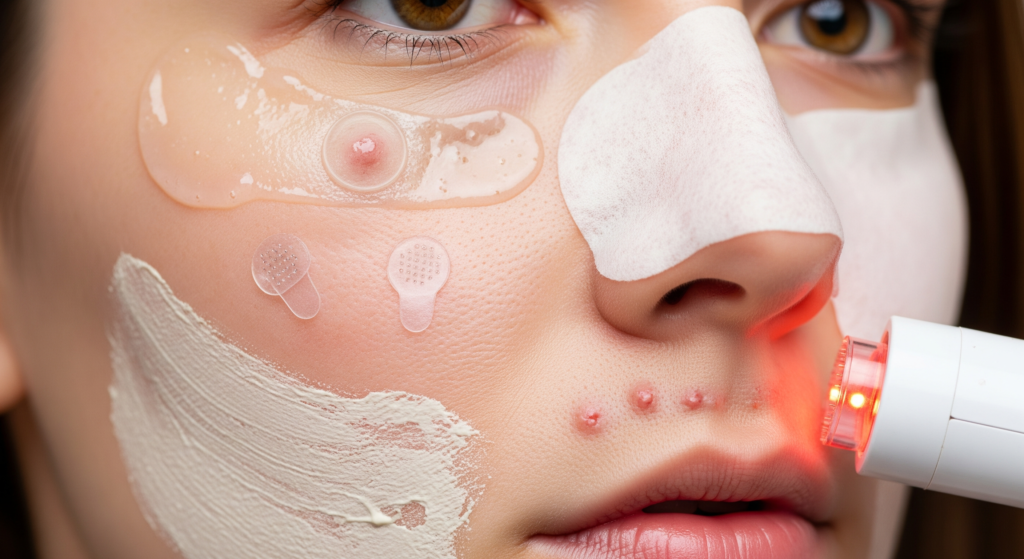
LED light therapy is a non-invasive and painless treatment for acne-prone skin. Blue light targets acne-causing bacteria, while red light reduces inflammation and promotes healing. Together, they help reduce breakouts and calm irritated skin.
This treatment is beneficial for people with sensitive skin who cannot tolerate strong chemicals. LED therapy is often combined with facials for better and longer-lasting results.
Which Facial Should You Avoid If You Have Acne-Prone Skin?
People with acne-prone skin should avoid heavy cream facials, fruit facials with artificial fragrances, and aggressive scrubbing treatments. These facials can clog pores, increase oil production, and irritate active acne.
Steam-heavy facials without proper extraction can also worsen acne. Always choose treatments designed specifically for acne control and oil balance rather than glow or fairness facials.
How Often Should Acne-Prone Skin Get a Facial?
Most dermatologists recommend getting an acne-friendly facial once every 3 to 4 weeks. This allows the skin enough time to heal and renew itself between sessions. Overdoing facials can damage the skin barrier and cause sensitivity.
Consistency matters more than frequency. Regular professional treatments combined with a proper home skincare routine provide the best long-term results for acne-prone skin.
Can Facials Completely Cure Acne?
Facials alone cannot permanently cure acne, but they play a significant role in controlling it. Acne is influenced by internal factors like hormones, stress, and diet, which facials cannot fully address.
However, when combined with dermatologist-recommended skincare products and a healthy lifestyle, facials significantly reduce breakouts, improve skin texture, and prevent acne scars.
What Should You Do Before and After an Acne Facial?
Before a facial, avoid using strong exfoliants, retinoids, or acne medications for at least 48 hours. This prevents skin sensitivity during treatment. Always inform your therapist about your skin condition and any active acne.
After the facial, keep your skin hydrated, avoid makeup for 24 hours, and apply sunscreen daily. Avoid touching or picking at your skin to prevent new breakouts and irritation.
FAQ’s
Which facial is best for oily and acne-prone skin?
Salicylic acid facial and HydraFacial are best for oily and acne-prone skin.
Is facial good for active acne?
Yes, but only acne-specific facials done by professionals.
Can facials reduce acne scars?
Chemical peels and HydraFacial help reduce mild acne scars over time.
Are natural facials safe for acne-prone skin?
Only gentle and professionally formulated natural facials are safe.
How long does it take to see results?
Most people notice improvement within 2–3 sessions.
Conclusion: Which Facial Treatment Is Best for Acne-Prone Skin?
The best facial treatment for acne-prone skin depends on your skin type, acne severity, and sensitivity. Salicylic acid facials, chemical peels, HydraFacials, and LED light therapy are the most effective and dermatologist-approved options.
Choosing the right facial and following a consistent skincare routine can dramatically improve acne-prone skin. Always consult a skincare professional before starting any treatment to ensure safe and lasting results.






Leave a Reply